
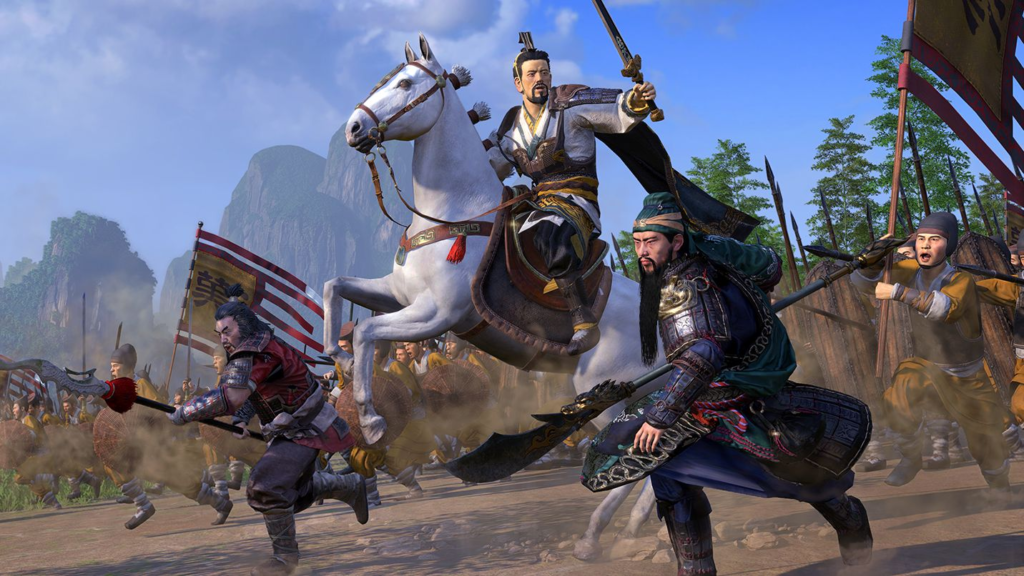
The Three Kingdoms period is one of the most fascinating chapters in Chinese history. Filled with epic battles, brilliant military strategies, legendary heroes, and political intrigue, the Three Kingdoms era has inspired countless books, television dramas, movies, video games, and novels. Although the historical period lasted for only a few decades, its cultural impact has endured for nearly two thousand years.
Whether you are interested in history, literature, or strategy games, understanding the Three Kingdoms provides valuable insight into one of China’s most influential eras. This guide explores its history, major kingdoms, famous figures, key battles, and lasting legacy.
What Is the Three Kingdoms?
The Three Kingdoms refers to the period in Chinese history between 220 AD and 280 AD, when China was divided into three rival states:
- Wei
- Shu
- Wu
After the collapse of the Han Dynasty, powerful warlords fought for control of China. Eventually, three major kingdoms emerged, each claiming the right to rule the nation.
The era officially began when Cao Pi established the Kingdom of Wei in 220 AD and ended in 280 AD when the Jin Dynasty conquered the Kingdom of Wu, reunifying China.
The Historical Background
Before the Three Kingdoms period, China was ruled by the Han Dynasty for over four centuries. However, political corruption, economic problems, and widespread rebellions weakened the empire.
Several important events led to the rise of the Three Kingdoms:
- Decline of the Han Dynasty
- The Yellow Turban Rebellion
- Rise of regional warlords
- Struggle for imperial authority
- Formation of independent kingdoms
These conflicts reshaped China’s political landscape and created one of history’s most famous periods of warfare.
The Three Major Kingdoms
Kingdom of Wei
The Kingdom of Wei was founded by Cao Pi, the son of the famous warlord Cao Cao.
Key facts include:
- Capital: Luoyang
- Founder: Cao Pi
- Largest population
- Strong military forces
- Advanced administrative system
Wei controlled northern China and possessed significant economic resources, making it the strongest of the three kingdoms for much of the period.
Kingdom of Shu
The Kingdom of Shu was established by Liu Bei, who claimed descent from the Han royal family.
Important characteristics include:
- Capital: Chengdu
- Founder: Liu Bei
- Mountainous natural defenses
- Smaller population
- Strong emphasis on loyalty and justice
Despite limited resources, Shu became famous because of its talented generals and wise advisors.
Kingdom of Wu
The Kingdom of Wu occupied southern China and was founded by Sun Quan.
Its strengths included:
- Powerful navy
- Strategic river defenses
- Thriving agriculture
- Strong economy
- Skilled naval commanders
Wu maintained independence for decades thanks to its control of the Yangtze River.
Famous Heroes of the Three Kingdoms
One reason the Three Kingdoms remains popular is its unforgettable characters.
Some of the most famous heroes include:
- Liu Bei
- Cao Cao
- Sun Quan
- Zhuge Liang
- Guan Yu
- Zhang Fei
- Zhao Yun
- Lu Bu
- Sima Yi
- Zhou Yu
Each figure demonstrated unique leadership qualities, military talents, and political skills that continue to inspire readers today.
Zhuge Liang: The Master Strategist
Among all the heroes, Zhuge Liang is perhaps the most respected strategist.
Known for his intelligence and wisdom, he served Liu Bei and later helped govern Shu.
His legendary accomplishments include:
- Brilliant battle strategies
- Diplomatic negotiations
- Military innovations
- Administrative reforms
- Careful planning
Many stories portray Zhuge Liang as a symbol of wisdom, patience, and loyalty.
Major Battles During the Three Kingdoms
Several battles shaped the outcome of the era.
Battle of Red Cliffs
The Battle of Red Cliffs remains one of the most famous battles in Chinese history.
Highlights include:
- Wei’s massive northern army was defeated.
- Wu and Shu formed a successful alliance.
- Fire attacks destroyed much of Wei’s fleet.
- Southern China remained independent.
This victory prevented Cao Cao from unifying China.
Battle of Guandu
This battle strengthened Cao Cao’s control over northern China.
Its importance includes:
- Defeat of Yuan Shao
- Expansion of Wei’s territory
- Greater military influence
- Improved political stability
Battle of Yiling
The Battle of Yiling resulted in a major defeat for Shu after Liu Bei attempted to avenge Guan Yu’s death.
The battle significantly weakened Shu’s military strength.
Military Strategy in the Three Kingdoms
Military tactics played a major role throughout the era.
Popular strategies included:
- Ambushes
- Surprise attacks
- Psychological warfare
- Defensive fortifications
- Naval combat
- Supply line management
- Intelligence gathering
- Strategic alliances
Many of these strategies continue to be studied by military historians and business leaders alike.
Romance of the Three Kingdoms
The historical period became even more famous through the classic Chinese novel Romance of the Three Kingdoms, written by Luo Guanzhong during the 14th century.
The novel combines historical events with legendary stories, making the characters larger than life.
It emphasizes themes such as:
- Loyalty
- Honor
- Brotherhood
- Wisdom
- Courage
- Justice
- Leadership
The novel is considered one of the Four Great Classical Novels of Chinese literature.
Three Kingdoms in Modern Entertainment
The Three Kingdoms continues to influence global entertainment.
Popular adaptations include:
- Television dramas
- Animated series
- Historical documentaries
- Video games
- Strategy games
- Mobile games
- Novels
- Comic books
- Board games
Many gamers recognize the Three Kingdoms through strategy franchises that allow players to command armies and recreate historical battles.
Why the Three Kingdoms Remains Popular
Several reasons explain its lasting popularity.
These include:
- Rich historical background
- Memorable characters
- Complex political drama
- Brilliant military tactics
- Timeless moral lessons
- Exciting battles
- Inspiring leadership examples
The combination of history and storytelling appeals to audiences around the world.
Lessons from the Three Kingdoms
The Three Kingdoms offers valuable lessons beyond warfare.
Readers can learn about:
- Effective leadership
- Long-term planning
- Teamwork
- Strategic thinking
- Adaptability
- Building alliances
- Managing conflict
- Decision-making under pressure
These principles remain relevant in business, politics, and everyday life.
Conclusion
The Three Kingdoms represents one of the greatest periods of political rivalry and military strategy in world history. From the rise of Wei, Shu, and Wu to the legendary heroes who shaped their destinies, this era continues to capture the imagination of people across generations.
Its influence extends far beyond historical records, inspiring literature, films, television series, and video games enjoyed worldwide. Whether you are studying Chinese history, exploring strategic leadership, or simply looking for an engaging historical story, the Three Kingdoms offers endless opportunities for learning and entertainment.
By understanding the events, personalities, and lessons of this remarkable era, readers gain a deeper appreciation for the enduring legacy of one of China’s most iconic historical periods.