
Ever stared at your car’s dashboard and wondered, “What is this machine actually worth on the open market?” You aren’t alone. Whether you are looking to upgrade your daily commute or clear out space in the driveway, understanding real vehicle worth is the ultimate power move.
Enter kelly bluebooks (commonly known as KBB)—the gold standard for automotive pricing. For nearly a century, this trusted institution has helped drivers cut through the guesswork of buying and selling. Let’s break down how to use these pricing guides to your absolute advantage.
What is Kelly Blue Book and Why Does It Matter?
At its core, kelly bluebooks provide a benchmark for vehicle pricing based on massive amounts of real-time market data. Instead of relying on gut feelings or a dealer’s pitch, checking a car’s value gives you hard data.
The system evaluates thousands of actual transactions, regional trends, seasonal shifts, and supply chain fluctuations. This ensures that whether you are browsing in sunny California or dealing with snowy winters up north, your valuation reflects the reality of the current micro-market.
Key Types of Valuations to Look For
When you look up a vehicle, you will typically encounter a few distinct metrics:
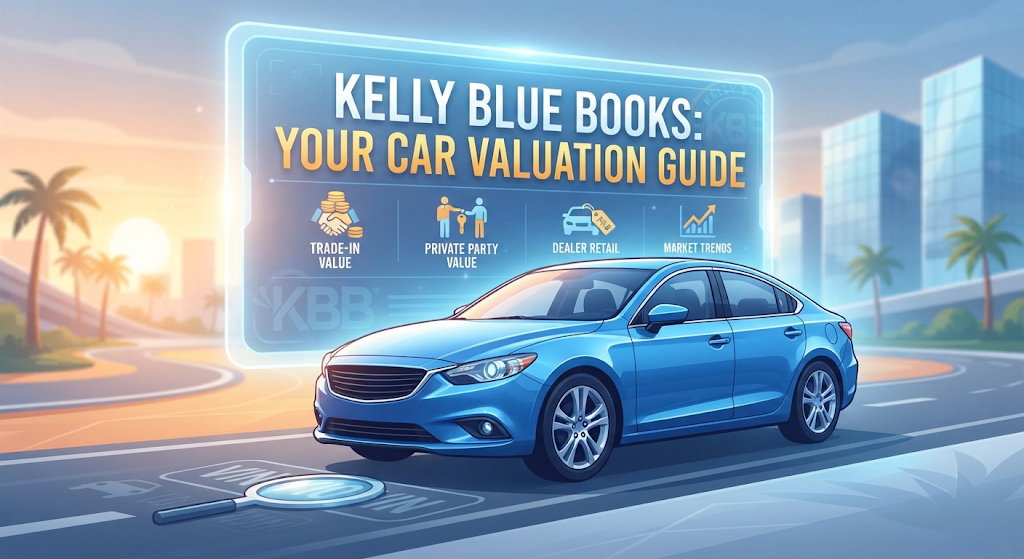
- Trade-In Value: What a dealership will pay you to take the car off your hands. It is lower because the dealer plans to refurbish and resell it for a profit.
- Private Party Value: What you can expect to pocket if you sell the car directly to another individual online or via classifieds.
- Dealer Retail Price: What a dealership charges a customer to buy that exact same car off their lot, complete with inspections and warranties.
How to Get an Accurate Car Valuation Online
Getting an accurate number isn’t just about plugging in your license plate and crossing your fingers. Precision matters if you want an estimate that holds up in the real world.
- Gather Your Specs: Have your exact mileage, trim level (e.g., LE, XLE, Touring), drivetrain, and added packages handy.
- Be Brutally Honest About Condition:Most owners overrate their vehicles.Only about 3% of used cars truly qualify as “Excellent”. Grading your car realistically as “Good” or “Very Good” prevents sticker shock later.
- Check Local Zip Codes: Car values fluctuate wildly depending on geographic location due to regional demand and climate wear. Always input your local zip code.
Pro Tip: Keep maintenance logs ready. Clean titles and documented oil changes can easily bump your valuation up into a higher tier.
Frequently Asked Questions
Are kelly bluebooks values guaranteed?
No, they are educated estimates based on recent historical trends and statistical data.The actual cash value depends on a buyer’s willingness to pay and how quickly you want to make a deal.
How often do the values update?
Market values shift continuously based on economic conditions, fuel prices, and seasonal demand. Major updates happen frequently, so it is best to check values right before you list your car or head to a dealership.
Is there a difference between trade-in value and private party value?
Yes. Private party values are almost always higher than trade-in values because you are doing the marketing, negotiation, and paperwork yourself instead of trading it in for convenience.
Conclusion
Navigating the automotive market doesn’t have to feel like a guessing game. By leveraging kelly bluebooks, you equip yourself with the pricing transparency needed to negotiate like a pro—whether you are trading in an old ride or hunting for a reliable pre-owned upgrade.
Ready to dive deeper into your automotive journey? Check out our related guides on mastering trade-in negotiations or spotting hidden fees at the dealership to maximize your savings today!