
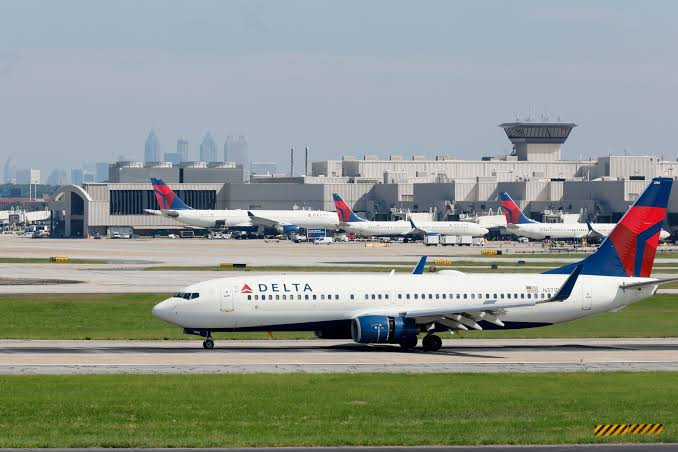
The search term delta dl139 venice atlanta diversion amsterdam relates to an international flight journey involving Venice, Atlanta, and an unexpected diversion to Amsterdam. When travelers notice that a flight has landed somewhere different from its planned destination, they naturally want clear information about what happened.
Flight diversions can be confusing. However, they are a normal part of aviation operations. Airlines have procedures for dealing with weather, medical situations, technical concerns, air traffic restrictions, and other unexpected events.
This article explains the meaning of a diversion, why Amsterdam may become an alternative airport, how passengers can respond, and what travelers should know about their onward journey.
Delta DL139 and International Flight Operations
Delta flight numbers are used to identify specific airline services. Passengers use these numbers to check schedules, departure information, arrival times, gates, and flight status.
International flights operate according to carefully prepared plans. Before departure, airlines consider aircraft performance, fuel requirements, weather forecasts, airspace restrictions, airport conditions, and crew requirements.
However, these factors can change during a flight. Pilots receive updated information throughout the journey and can modify the flight plan when necessary.
This flexibility is especially important for long-distance international flights.
Venice as a Major Travel Destination
Venice is one of Europe’s most recognizable tourist destinations. Its canals, historic buildings, museums, bridges, and cultural attractions attract visitors from around the world.
Travelers flying internationally from Venice commonly use Venice Marco Polo Airport. The airport provides access to the city and the wider Veneto region.
Passengers should plan their journey to the airport carefully. Traffic, public transportation, seasonal tourism, and airport procedures can all influence travel time.
Arriving early is particularly useful for international flights because passengers may need to complete check-in, baggage, security, and border procedures.
What Does a Flight Diversion Mean?
A flight diversion occurs when an aircraft lands at an airport different from its scheduled destination.
It is important to understand that a diversion does not automatically mean the aircraft experienced a catastrophic emergency. In many situations, a diversion is a precautionary or operational decision.
Pilots may divert when continuing toward the planned destination is less suitable than landing at another airport.
Common reasons can include:
- Medical emergencies
- Technical concerns
- Severe weather
- Air traffic restrictions
- Airport closures
- Security considerations
- Crew-related issues
- Operational requirements
The actual reason for a particular flight should be confirmed through official information.
Why Amsterdam Can Be Used as an Alternative Airport
6
Amsterdam Airport Schiphol is one of Europe’s largest and most important aviation hubs. It provides extensive facilities for international flights and handles a large number of passengers every day.
An airport used for a diversion needs to offer suitable facilities for the circumstances.
Depending on the reason for the diversion, an airline may require aircraft maintenance, fuel, medical services, passenger handling, ground support, or international processing.
Amsterdam’s extensive aviation infrastructure can make it a suitable alternative in certain situations.
However, the selection of a diversion airport is based on real-time conditions. The aircraft’s location, fuel, weather, airport capacity, runway availability, and operational requirements all influence the decision.
Possible Reasons Behind the DL139 Diversion
One of the main questions surrounding delta dl139 venice atlanta diversion amsterdam is why an aircraft might change its planned route.
Several general reasons are possible.
Medical Situations
A passenger or crew member may require urgent medical attention. Landing at a suitable airport allows medical professionals to respond quickly.
Technical Concerns
If the flight crew notices a technical issue, they may decide to land at an airport with appropriate maintenance capabilities.
Weather Conditions
Thunderstorms, strong winds, poor visibility, or other severe weather can affect airport operations and flight routes.
Air Traffic Restrictions
Busy airspace or temporary restrictions may require aircraft to alter their planned route.
Airport Operations
Unexpected runway closures, airport congestion, or other operational issues can make the original destination less practical.
These are general examples and should not be treated as confirmation of what happened on a specific flight without an official statement.
What Happens When a Flight Lands After a Diversion?
Once an aircraft lands at an alternative airport, several procedures can take place.
The aircraft is directed to an appropriate parking position. The crew then communicates with airport personnel and airline operations teams.
If a technical concern caused the diversion, maintenance personnel may inspect the aircraft.
If a medical situation caused the diversion, medical professionals may meet the aircraft and provide assistance.
Passengers may remain onboard while the situation is assessed. In other cases, they may be asked to leave the aircraft and wait inside the terminal.
The airline then decides how to continue the journey.
Will Passengers Still Reach Atlanta?
If Atlanta is the original destination, the airline will normally try to transport passengers there when it is safe and operationally possible.
The original aircraft may continue after any necessary inspection or operational clearance. Another aircraft could potentially be used. Passengers may also be rebooked onto alternative flights.
The solution depends on aircraft availability, crew requirements, airport capacity, and the reason for the diversion.
Passengers should wait for official instructions rather than assuming that the original schedule will immediately resume.
How Flight Tracking Helps
Flight-tracking services can be useful when passengers want to understand an aircraft’s location.
A tracking service may show the aircraft changing direction or landing at Amsterdam. It can also provide information about departure times, altitude, speed, and estimated arrival times.
However, flight tracking has limitations.
A tracking map can show what the aircraft did but may not explain why it did it.
For example, an aircraft turning away from its planned destination could be responding to weather or air traffic instructions. It could also be diverting because of a medical or technical situation.
Therefore, flight trackers should be considered supplementary information rather than an official explanation.
What Passengers Should Do During a Diversion
A diversion can be stressful, especially when passengers have connecting flights.
The first step is to remain calm and follow instructions from the flight crew.
Passengers should keep passports, boarding passes, and other important documents easily accessible.
It is also useful to monitor official airline notifications through email, text messages, or the airline’s mobile application.
Travelers should avoid relying on rumors or unverified social media reports.
If airline staff provide new instructions, passengers should follow them carefully.
How Diversions Affect Connecting Flights
Many passengers traveling internationally have connecting flights. A diversion can therefore affect the rest of their itinerary.
For example, a passenger traveling toward Atlanta may have a connecting flight to another American city. A significant delay could result in a missed connection.
When this happens, the airline may arrange alternative travel depending on the passenger’s itinerary and available flights.
Travelers should check their entire booking after a disruption. They should not focus only on the original flight number.
Passenger Rights After a Diversion
Passengers may also have questions about compensation, accommodation, meals, transportation, or other assistance.
Passenger rights depend on the specific itinerary, airline obligations, reason for the disruption, and applicable regulations.
A diversion by itself does not automatically guarantee financial compensation.
Passengers should keep boarding passes, booking confirmations, receipts, and airline communications. These records can be useful when discussing expenses or potential claims with the airline.
Travelers should check the rules that apply to their specific journey rather than assuming that the same rights apply to every flight.
Why Flight Diversions Are Important for Safety
Flight diversions are an important part of modern aviation.
Pilots constantly monitor changing conditions during a flight. If the original destination becomes unsuitable, they have the ability to consider alternatives.
Air traffic controllers, airline operations teams, airport personnel, maintenance specialists, and flight crews all contribute to managing unexpected situations.
The ability to divert provides flexibility and can help reduce unnecessary risks.
This is why passengers should not automatically interpret a diversion as evidence of a serious accident.
Tips for Travelers Flying Internationally
Travelers can prepare for unexpected disruptions by taking a few simple steps.
Keep passports and essential documents in your carry-on bag. Important medication, valuables, and necessary electronic devices should also remain accessible.
Before leaving for the airport, check the latest flight status. It is also helpful to keep the airline’s official application installed on your phone.
Passengers with connections should know their complete itinerary and have enough time between flights whenever possible.
Travel insurance may also provide additional protection, depending on the policy.
How to Find Reliable Information About Delta DL139
People searching for delta dl139 venice atlanta diversion amsterdam may encounter information from flight-tracking websites, social media platforms, travel blogs, and online forums.
Some information may be useful, but not every source is equally reliable.
Flight trackers can help establish an aircraft’s approximate movements. They generally cannot confirm the operational reason for a diversion.
For reliable updates, passengers should prioritize official airline notifications and airport information.
This is especially important when an incident is still developing and details have not yet been officially released.
Frequently Asked Questions
What is Delta DL139?
Delta DL139 is a flight number associated with Delta Air Lines. Travelers should verify the current schedule and route using official flight information.
What is a flight diversion?
A diversion occurs when an aircraft lands at an airport other than its planned destination.
Why could Amsterdam be involved?
Amsterdam has a major international airport with extensive passenger, aircraft, maintenance, and operational facilities. It may serve as an alternative airport when circumstances require one.
Does a diversion mean the aircraft is unsafe?
Not necessarily. A diversion can be a precautionary decision intended to manage an unexpected situation safely.
Will passengers eventually reach Atlanta?
If Atlanta remains the intended destination, the airline will generally work toward completing the journey when operationally possible.
Where can passengers find accurate updates?
Passengers should rely primarily on official airline communications, airport announcements, and information connected to their reservation.
Conclusion
The subject of delta dl139 venice atlanta diversion amsterdam demonstrates how international air travel can change unexpectedly. A flight plan is carefully prepared, but pilots and airlines must remain flexible when conditions change.
A diversion can happen because of weather, medical circumstances, technical concerns, air traffic restrictions, airport conditions, or other operational reasons. Amsterdam Airport Schiphol is a major international hub with facilities capable of supporting many types of aviation operations.
For affected passengers, the most important response is to remain calm and follow instructions from the crew and airline staff. Flight-tracking services can provide useful information about an aircraft’s location, but they may not explain the reason for a diversion.
Travelers can also reduce stress by keeping important documents accessible, monitoring official updates, and understanding their complete itinerary. While a diversion can cause delays and inconvenience, it is an important tool that allows aviation professionals to respond to unexpected situations while keeping safety at the center of the journey.