
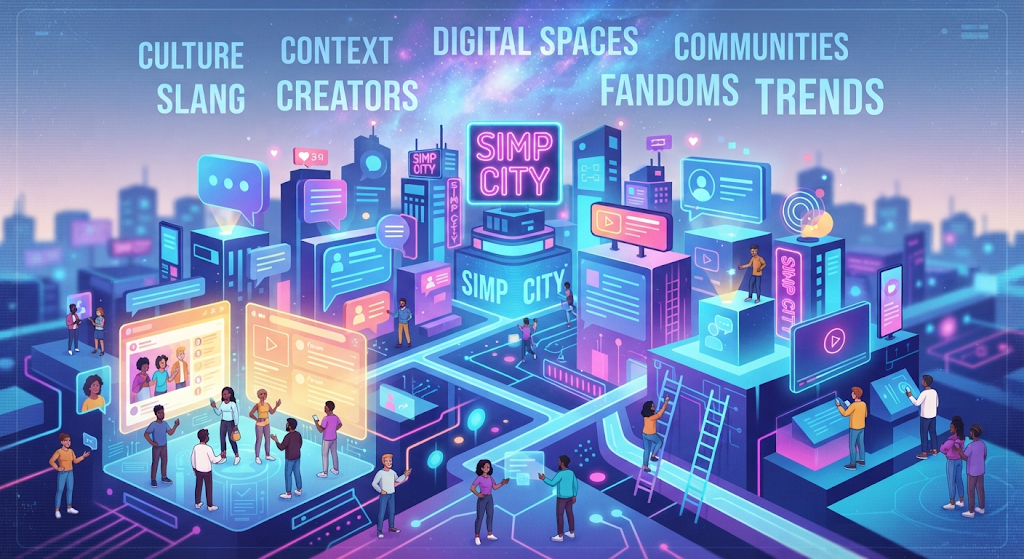
Ever stumbled across a bizarre internet term and wondered how it blew up overnight? Enter simp city, a phrase that has rapidly evolved from a simple slang punchline into a massive digital subculture. Whether you keep running into it on meme pages, community forums, or social feeds, understanding what it actually represents can feel like trying to decode a completely different language.
In this guide, we are breaking down everything you need to know about simp city—from its cultural footprint and online origins to how it shapes modern digital banter.
What Is Simp City? A Quick Breakdown
At its core, the term plays on internet slang regarding excessive admiration or attention given to someone, often framed through a humorous lens. While casual users toss it around as a joke between friends, simp city also refers to specialized online communities, discussion boards, and shared virtual spaces where people connect over specific fandoms, streaming culture, and modern dating dynamics.
Instead of being just a single inside joke, it has grown into an umbrella term representing a broader slice of internet culture. People use it to describe:
- Online spaces dedicated to mutual admiration or shared digital interests.
- A tongue-in-cheek title for anyone deeply invested in supporting creators or influencers.
- A recurring meme format across major social media networks.
The Evolution of Internet Slang and Community Spaces
Internet culture moves fast, and terms like simp city rarely stay in one box for long. What starts as a quick joke on a message board often transforms into a widespread meme ecosystem.
Why Online Subcultures Stick
Digital communities thrive because they offer a sense of belonging. When users flock to forums or chat groups associated with terms like simp city, they are usually looking for a few specific things:
- Humor and Relatability: Laughing at shared experiences or internet tropes helps bridge gaps between strangers.
- Niche Discussion: Finding others who understand specific digital trends, gaming habits, or creator content.
- Anonymity and Expression: Open spaces where participants can share thoughts without the pressure of traditional social networks.
Navigating Modern Digital Culture Responsibly
While participating in slang and meme culture is a huge part of spending time online, it is easy to blur the lines between harmless fun and burnout. Striking a healthy balance is key to enjoying these spaces without letting digital trends overwhelm your offline routine.
- Keep it Lighthearted: Remember that most internet terminology is designed for entertainment rather than serious commentary.
- Maintain Self-Awareness: Recognizing when you are spending too much time scrolling through niche forums helps keep your digital habits healthy.
- Prioritize Respect: Cultivating positive, respectful interactions keeps online communities fun for everyone involved.
Frequently Asked Questions
What does simp city actually mean?
It is a slang-derived term used both as a humorous label for excessive online devotion and as a title for specific internet communities, forums, and meme collections.
Is simp city a real place?
No, it is entirely virtual—referring to online discussion boards, social media subcultures, and collective internet humor rather than a physical geographic location.
Why has the term become so popular?
Thanks to the rapid spread of viral memes and the growth of creator-led platforms, terms that capture modern internet relationship dynamics catch on quickly across multiple social networks.
Conclusion
The rise of simp city highlights just how quickly internet slang can transform into fully fledged digital subcultures. Whether you view it as a humorous meme, a cultural phenomenon, or a unique online community space, understanding its context gives you a clearer window into how modern web culture operates.
Got thoughts on how internet slang evolves, or want to dive deeper into related digital trends? Check out our other guides on modern web culture and keep exploring the ever-changing landscape of the internet!