
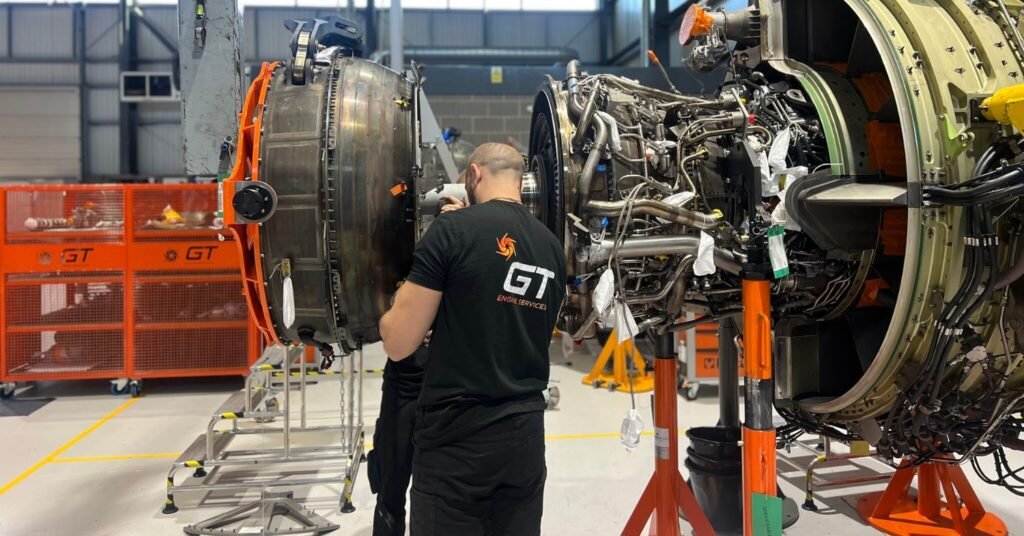
Jet engine maintenance stands among the most critical responsibilities in aviation operations. Whether you manage a commercial fleet or operate a private aircraft, understanding the fundamentals of engine upkeep directly impacts safety, performance, and regulatory compliance. Neglecting proper maintenance schedules — or overlooking warning signs — can lead to costly repairs and, far more seriously, dangerous flight conditions. Staying informed about best practices and requirements is not optional for operators; it is essential. This article outlines what you need to know to keep jet engines operating safely and efficiently.
Understanding Jet Engine Components and Their Roles
Before you can effectively maintain a jet engine, a working understanding of its core components is necessary. A jet engine consists of several major systems: the compressor, combustion chamber, turbine, and exhaust nozzle. Each of these components works in sequence to draw in air, compress it, mix it with fuel, ignite it, and expel the resulting gases to generate thrust. The compressor and turbine sections are particularly susceptible to wear because they operate under extreme heat and continuous mechanical stress. Bearings, seals, and blades within these sections require regular inspection to confirm they are functioning within manufacturer tolerances. A solid familiarity with these parts and their functions allows you to better interpret maintenance reports and communicate more effectively with certified technicians.
Scheduled Maintenance Intervals and Regulatory Requirements
Aviation authorities, including the Federal Aviation Administration (FAA), set strict guidelines for jet engine maintenance intervals that all operators are required to follow. These intervals are typically defined in terms of flight hours, cycles — meaning takeoff and landing sequences — or calendar time, whichever comes first. Operators must adhere to the engine manufacturer’s maintenance manual as well as any applicable airworthiness directives (ADs) issued by regulatory bodies. ADs are legally binding and address known safety issues that must be corrected within specified timeframes. Failing to comply with scheduled maintenance or outstanding ADs can result in aircraft grounding, significant fines, or loss of operating certificates. Maintaining accurate, up-to-date logbooks and service records is both a regulatory requirement and a practical safeguard against costly oversights.
Common Jet Engine Issues Operators Should Monitor
Certain issues arise more frequently in jet engines and warrant ongoing attention from operators. Hot section degradation is among the most common concerns, as the combustion chamber and turbine blades endure extreme temperatures that cause thermal fatigue over time. Compressor blade erosion — often caused by ingesting particles such as dust or debris — can reduce engine efficiency and lead to compressor stalls if left unaddressed. Oil consumption anomalies are another indicator worth watching closely, since unusual increases in oil usage can signal seal deterioration or internal leakage. Vibration readings outside normal parameters may point to rotor imbalance or bearing wear, both of which require prompt investigation. Monitoring engine health data through trend analysis tools, which are standard on many modern aircraft, gives you early warning of developing problems before they escalate into serious failures. According to the FAA’s guidance on turbine engine maintenance , consistent trend monitoring is one of the most effective strategies for maintaining engine airworthiness.
The Role of Certified Technicians and Approved Facilities
Jet engine maintenance must be performed by appropriately certified personnel operating within approved repair stations or facilities. In the United States, aircraft mechanics holding FAA Airframe and Powerplant (A&P) certificates, along with Inspection Authorization (IA) holders, are qualified to perform and sign off on engine maintenance tasks. For more complex overhauls or repairs — including hot section inspections, engine test cell work, or major component replacement — engaging an FAA-approved Part 145 repair station is typically required. Choosing a reputable facility with relevant engine-type experience matters considerably, as some turbine engines require specialized tooling and training that not every shop possesses. When sourcing replacement parts, operators should verify that all components come with proper documentation, including FAA Form 8130-3 or an equivalent release certificate confirming airworthiness. During this process, a reliable quality aircraft parts search can help you quickly locate components that meet required standards and come with proper certification documentation.
Developing a Proactive Maintenance Culture
The most effective operators approach jet engine maintenance proactively rather than reactively. This means establishing internal processes for tracking maintenance due dates, reviewing engine trend data on a regular basis, and ensuring that maintenance findings are communicated clearly between flight crews and maintenance personnel. A proactive culture also involves investing in training so that pilots and operators understand the significance of the data they observe during pre-flight inspections and post-flight reporting. Building long-term relationships with trusted maintenance providers and parts suppliers can meaningfully reduce turnaround times when unscheduled maintenance is required. Documenting all maintenance actions thoroughly not only supports regulatory compliance but also adds tangible value to the aircraft if it is ever sold or transferred.
Conclusion
Jet engine maintenance is a multifaceted responsibility that demands attention to detail, regulatory awareness, and an unwavering commitment to safety at every level of operation. As an operator, understanding your engine’s components, adhering to required maintenance schedules, monitoring for common issues, and working with qualified professionals are all foundational practices. The aviation industry’s strong safety record is a direct result of the rigorous maintenance standards upheld by operators, technicians, and regulators working in concert. By staying informed and actively engaged with your maintenance program, you contribute to safer skies for everyone involved in your operations.